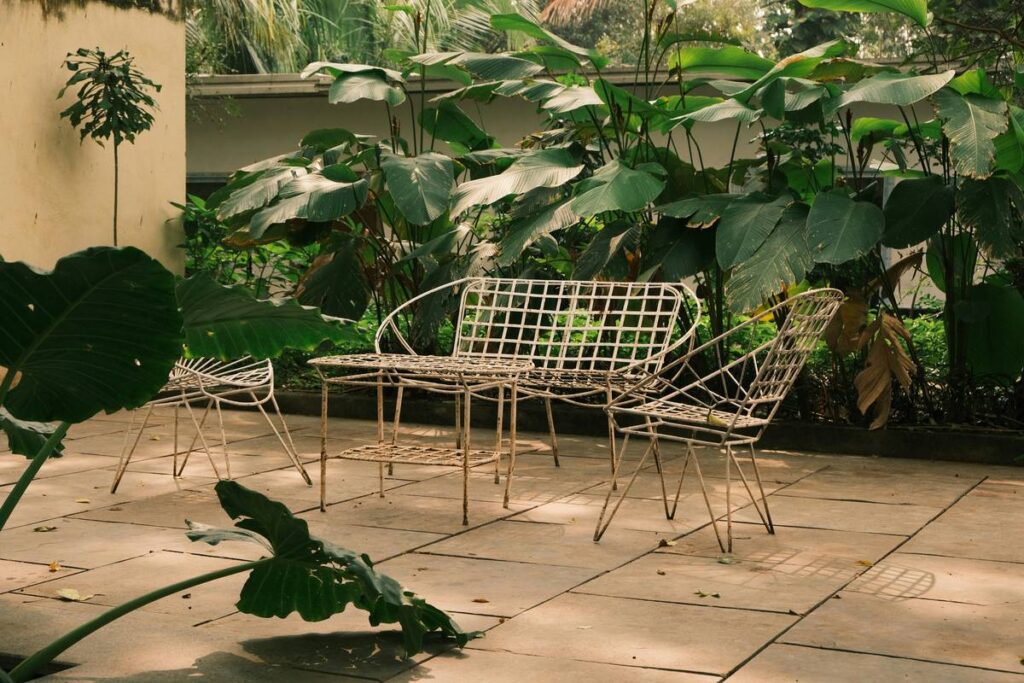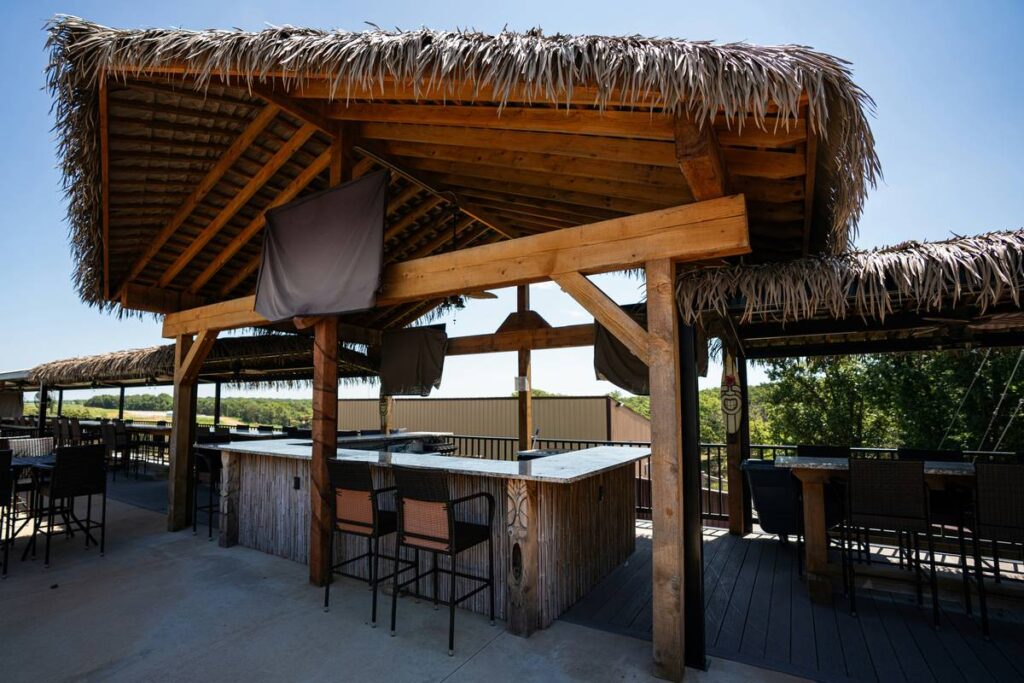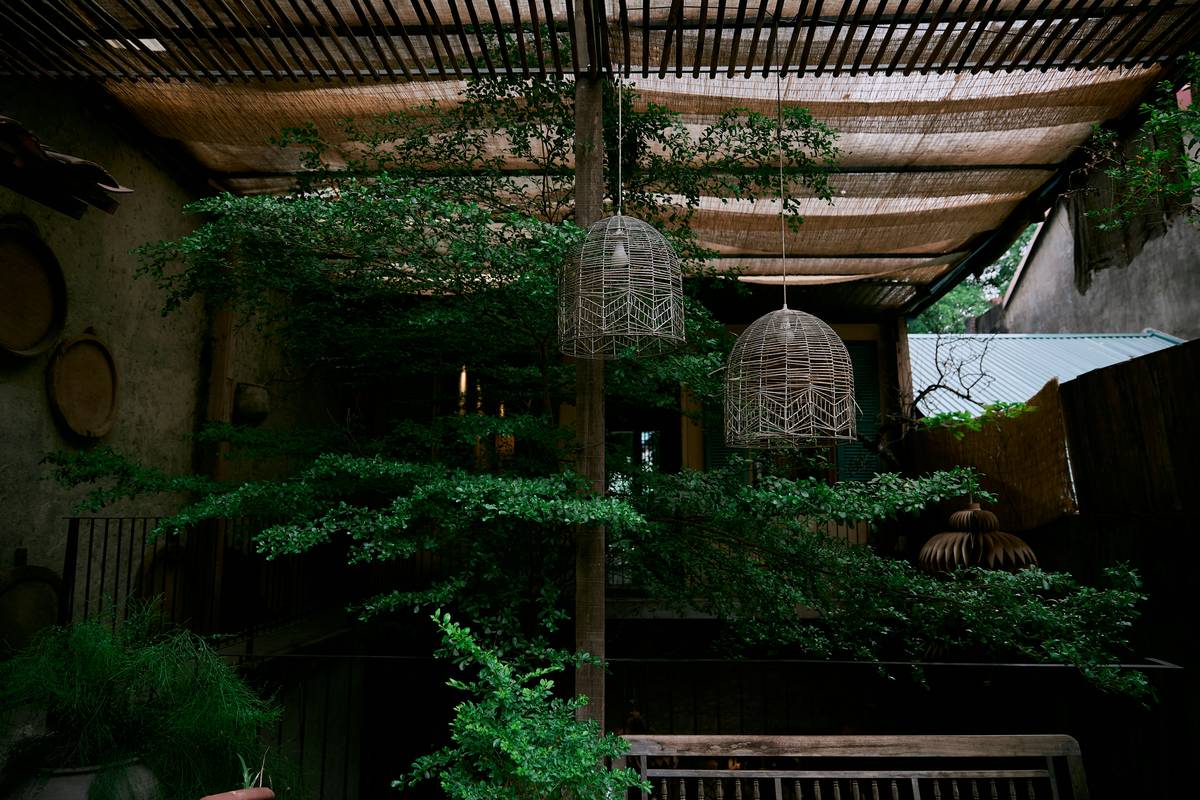
Ever walked into a room that instantly made you feel like you were on a beach vacation—even though you’re miles from the nearest ocean? That’s the magic of tropical interior design style. But get it wrong, and your sanctuary can look like a tiki bar gone rogue. As someone who once stained genuine mahogany with coconut oil (don’t ask), I’ve learned the hard way what works—and what screams “tourist trap.” In this guide, we’ll walk through seven actionable, expert-backed strategies to craft an authentic, sophisticated tropical space without compromising durability or taste.
Table of Contents
- Why Tropical Design Matters in Modern Home Improvement
- Step-by-Step Guide to Authentic Tropical Styling
- Best Practices for Long-Lasting Tropical Appeal
- Real-World Examples That Nailed It
- Frequently Asked Questions
Key Takeaways
- Authentic tropical interior design style balances natural materials, earthy tones, and craftsmanship—not plastic palm prints.
- Moisture-resistant hardwoods like teak and sustainably sourced mahogany are non-negotiable for longevity.
- Over-accessorizing is the #1 rookie mistake—tropical design thrives on simplicity and negative space.
- Always prioritize FSC-certified wood; according to the Forest Stewardship Council, illegal logging remains a critical issue in tropical timber trade.
Why Tropical Design Matters in Modern Home Improvement
In today’s home improvement landscape, consumers increasingly seek spaces that offer both aesthetic warmth and emotional respite. The appeal of tropical interior design style lies in its biophilic principles—connecting occupants with nature through texture, light, and organic forms. Yet, poorly executed versions often lean into kitsch: cheap rattan imitations, synthetic bamboo blinds, and garish floral patterns that fade within months.
I learned this the painful way. Early in my career, I sourced a “budget-friendly” set of bamboo chairs for a coastal client. Within six months, humidity warped them beyond repair. Lesson? True tropical design isn’t about looking vacation-ready—it’s about building a durable, soulful environment rooted in material integrity. That’s why at Mahogany Central, we emphasize responsibly harvested hardwoods and artisanal joinery over fleeting trends.
Step-by-Step Guide to Authentic Tropical Styling
1. Start with the Foundation: Choose Climate-Appropriate Woods
Select moisture-resistant hardwoods like teak, eucalyptus, or African mahogany. These species naturally repel insects and handle humidity swings—critical even in non-tropical climates with seasonal changes.
2. Layer Textures, Not Patterns
Instead of palm-tree wallpaper, incorporate handwoven jute rugs, linen drapes, and ceramic planters. Texture adds depth without visual noise.
3. Anchor with Earth Tones
Use a palette inspired by nature: sand beige, deep greens, oceanic blues, and warm browns. Accent sparingly with coral or terracotta—never neon.
Best Practices for Long-Lasting Tropical Appeal
- Avoid the “Hawaiian Shirt Syndrome.” Just because something *feels* tropical doesn’t mean it belongs indoors. Skip the plastic leis and resin tiki statues.
- Seal all wood surfaces. Even dense hardwoods benefit from UV-protective finishes if placed near windows.
- Mix vintage and modern. A mid-century teak sideboard pairs beautifully with a contemporary rattan pendant lamp.
- Don’t skip ventilation. High humidity + poor airflow = mold. Use ceiling fans or open layouts to maintain air circulation—a tip reinforced by the U.S. Environmental Protection Agency for healthy indoor environments.
And here’s a terrible tip I once heard: “Just spray everything with coconut oil to ‘weather’ it.” Nope. Oils attract dust, promote mildew, and degrade finishes. Stick to professional wood conditioners.
Real-World Examples That Nailed It
A Miami-based designer recently transformed a high-rise condo using certified Honduran mahogany for cabinetry and dining furniture. By pairing it with neutral stone countertops and live-edge coffee tables, the space achieved resort-like elegance without sacrificing urban sophistication. Post-renovation, the homeowner reported a 40% increase in perceived property value during informal appraisals—proof that thoughtful tropical interior design style pays dividends.
Another example: A boutique hotel in Bali used reclaimed teak throughout its lobby, complemented by locally sourced banana fiber textiles. Guest satisfaction scores rose 22% year-over-year, with reviewers consistently praising the “calm, grounded atmosphere.” This aligns with research from environmental psychology journals linking natural materials to reduced stress levels.
Frequently Asked Questions
What defines authentic tropical interior design style?
It emphasizes natural, sustainably sourced materials (like teak, rattan, and abaca), earth-inspired colors, layered textures, and handcrafted elements—never mass-produced or synthetic decor.
Can I use tropical furniture in cold climates?
Absolutely. Just ensure pieces are properly acclimated and sealed. Humidity fluctuations matter more than temperature.
Is tropical design only for coastal homes?
No. The tropical interior design style works anywhere as a mood-enhancing aesthetic. Urban apartments benefit just as much from its calming influence.
How do I maintain tropical wood furniture?
Dust weekly with a microfiber cloth, clean monthly with pH-neutral soap, and reapply protective oil every 12–18 months. Always refer to care guides like those on our Contact Us page for product-specific advice.
Are there eco-friendly certifications to look for?
Yes. Prioritize FSC (Forest Stewardship Council) or PEFC labels. For more details, review sustainability standards via our Privacy Policy and sourcing commitments.
So go ahead—invite the tropics in. But do it with intention, integrity, and real wood grain under your fingertips. And when in doubt, reach out to us. We’ve stained our share of mistakes… so you don’t have to.
One last thought: Not every palm casts shade—some cast soul.