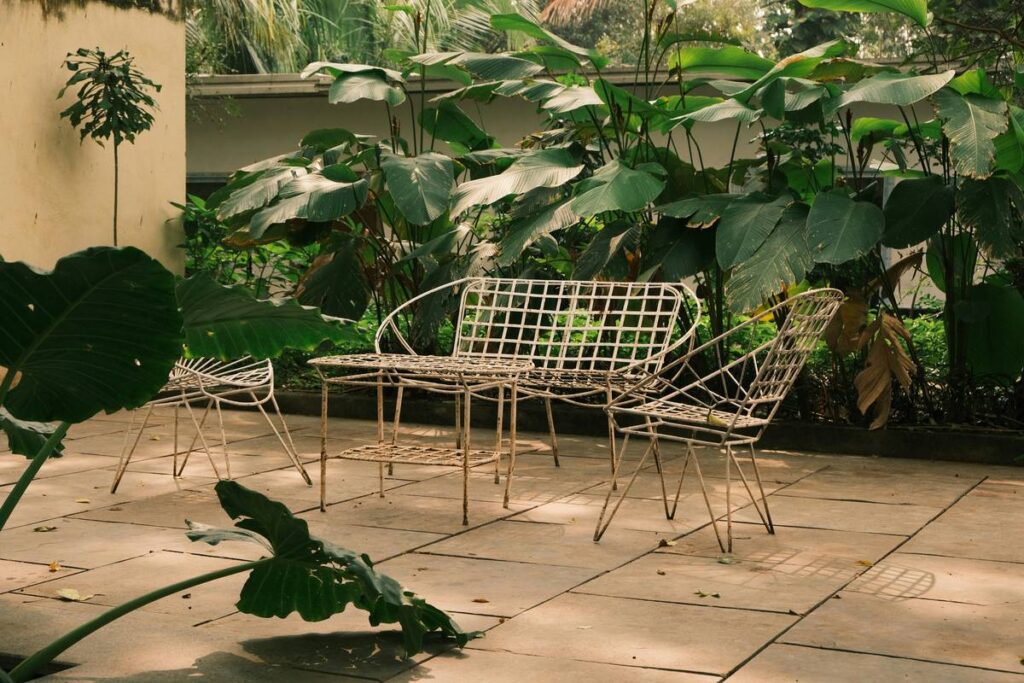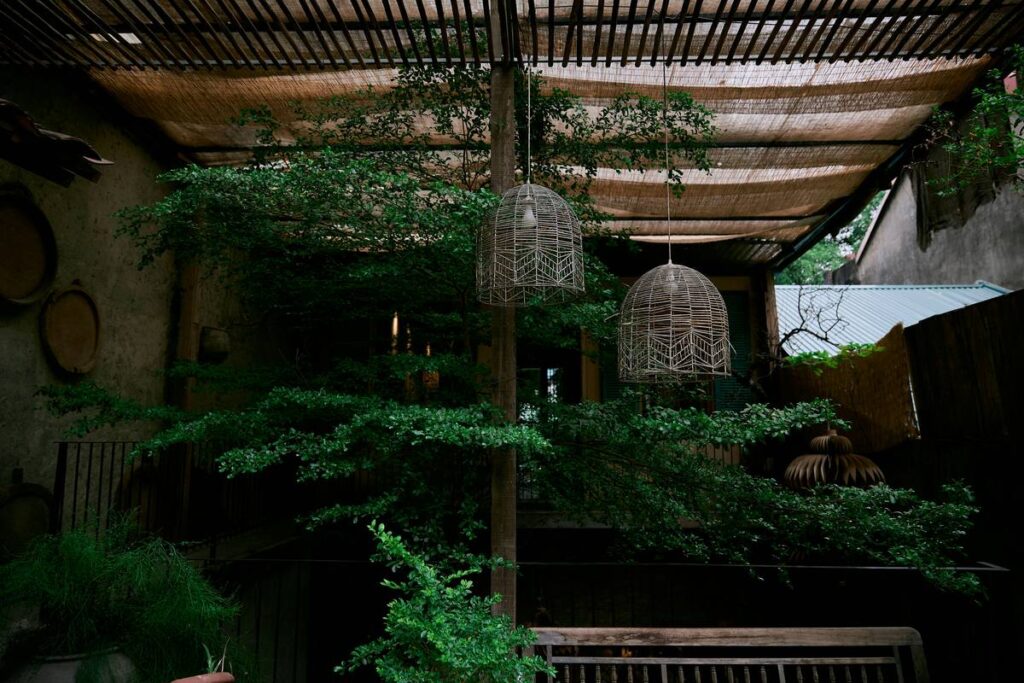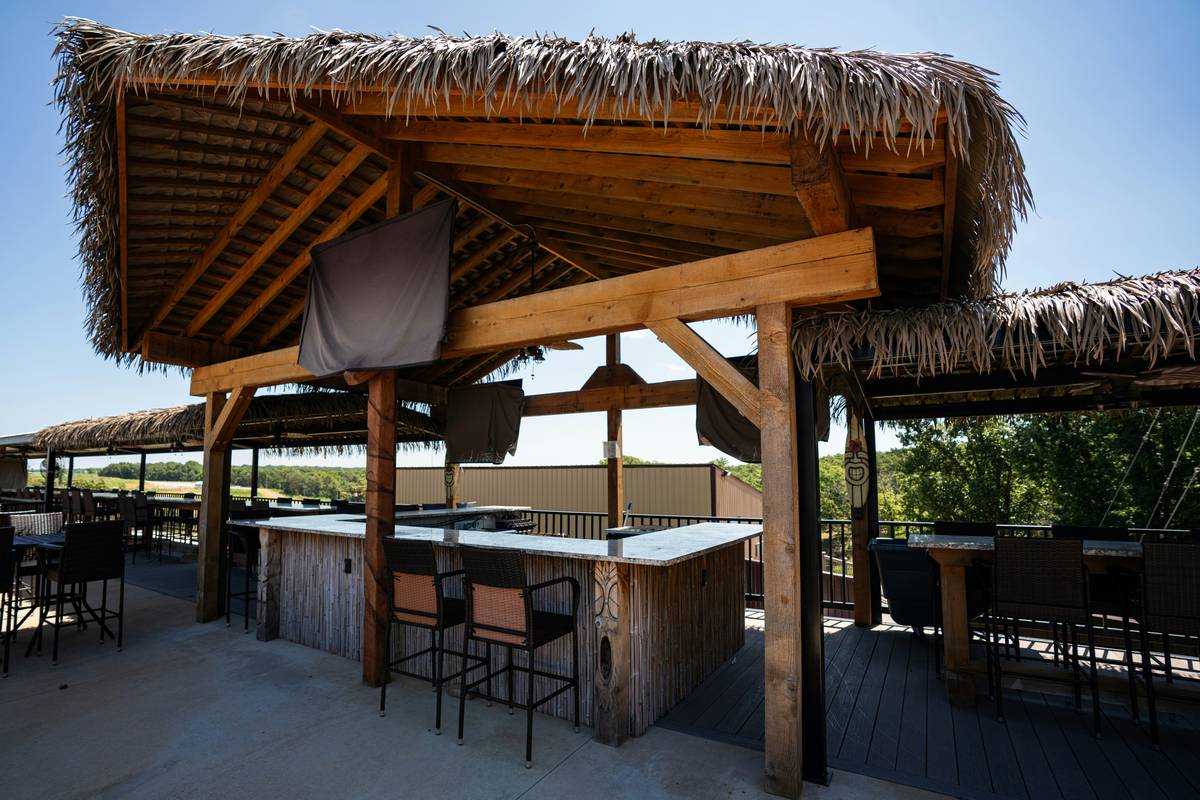
You’ve spent months curating the perfect backyard oasis—lush palms, soft lighting, a breeze off the ocean. Then you install that sleek, modern bar set… and it clashes like a snowstorm in Bali. The problem? Most “tropical” furniture is just beige wicker with palm decals slapped on. It looks cheap. Feels temporary. And vanishes after one rainy season. True tropical bar furniture design isn’t decor—it’s architecture for atmosphere.
Why Generic “Tropical” Bar Sets Fail Miserably
Mass-market retailers sell weather-resistant plastic masquerading as teak. They prioritize stackability over soul. And humidity? UV rays? Salt air? Those materials crack, fade, or warp within 18 months. Worse—they lack proportion. A real tropical bar isn’t just low-slung lounging; it needs functional height, integrated drainage, and visual rhythm that echoes island craftsmanship—not patio clearance bins.
And don’t get me started on bolt-together kits. One loose screw after monsoon season, and your “vacation vibe” becomes a wobbly liability.
tropical bar furniture design: Building With Integrity
Forget assembly lines. Real tropical bar furniture emerges from understanding wood behavior, climate response, and ergonomics shaped by centuries of coastal living.
Selecting Authentic Tropical Hardwoods
Teak isn’t your only option—and frankly, sustainable teak is scarce. Look to ironwood, mahogany (yes, responsibly harvested), or acacia. These species naturally resist rot, insects, and warping. Density matters more than grain pattern. Feel the weight—if it’s light, walk away.
Ergonomic Layouts That Breathe
Tropical bars aren’t meant for hunching over cocktails. Counter height should land between 40–42 inches. Foot rails? Essential—but curved, not angular. Open shelving underneath must allow airflow; stagnant pockets breed mold. Every joint should slope slightly outward for rain runoff.
Fusion Finishes That Age Gracefully
No polyurethane. Ever. It traps moisture and peels under sun exposure. Instead, use boiled linseed oil or tung oil—reapplied quarterly. The patina will evolve: golden honey → silvery driftwood. That’s not wear. That’s character earned.
| Material Type | Initial Cost (USD) | Lifespan (Years) | Maintenance Frequency | Authenticity Score |
|---|---|---|---|---|
| Resin Wicker + Aluminum Frame | $300–$600 | 2–4 | Monthly (cleaning) | 2/10 |
| Reclaimed Teak (Certified) | $1,200–$3,500 | 15–25+ | Quarterly (oil) | 9/10 |
| Solid Mahogany (FSC-Sourced) | $900–$2,800 | 12–20 | Quarterly (oil) | 8.5/10 |
| Bamboo Composite | $500–$900 | 3–6 | Bi-monthly (sealant) | 4/10 |
The Industry Secret: Design for Disassembly
Here’s what no catalog tells you: the best tropical bar setups are modular—not monolithic. Why? Because islands move. Storms come. You’ll want to reconfigure for parties, storage, or relocation. True craftsmen build with hidden dowels and tapered tenons—no screws visible. Each section lifts out cleanly. I once watched a Bahamian artisan dismantle an entire bar in eight minutes using only a rubber mallet. No tools. No damage. That’s resilience. And resale value? Doubles when pieces can be repurposed as planters, serving carts, or entry benches.
The math is simple: if it can’t be taken apart gently, it wasn’t built to last.
Frequently Asked Questions
Can tropical bar furniture stay outside year-round?
Yes—if made from solid hardwoods like teak or mahogany and finished with breathable oils. Avoid covers; they trap moisture. Elevate pieces 2+ inches off ground for airflow.
What’s the ideal height for tropical bar counters?
40 to 42 inches accommodates standard barstools (30-inch seat height) while allowing comfortable elbow room. Add a slight outward slope (⅛ inch per foot) for rain runoff.
Is rattan suitable for full outdoor use?
Only if it’s synthetic resin rattan over aluminum. Natural rattan swells, cracks, and mildews in humidity—fine for covered lanais, not open decks.