You spent thousands on “tropical furniture design”—only to end up with a dated, chaotic mess that feels more like a hotel lobby than your sanctuary. The problem? Generic rattan copies and mismatched textures that scream “theme park,” not tranquility. Here’s how to craft authentic, elevated tropical interiors that actually age beautifully.
Why Tropical Furniture Design Fails in 90% of Homes
People assume tropical = palm prints + wicker = done. Nope. That approach ignores climate, craftsmanship, and context. And it backfires fast.
Tropical furniture isn’t just about aesthetics—it’s born from equatorial environments where humidity warps wood, salt eats metal, and airflow dictates form. Importing cheap imitations without adapting to your local conditions? You’re setting yourself up for warping, fading, or outright structural failure within 18 months.
How to Execute Tropical Furniture Design the Right Way
Forget mood boards. Start with function. Then layer materials that respect both origin and environment.
Choose Climate-Resilient Woods
Teak, mahogany, and mango wood dominate authentic tropical furniture—not because they look “exotic,” but because they survive monsoons and sun blasts. Avoid pine or particleboard dressed in bamboo veneer. It won’t last a season outdoors, let alone indoors with AC cycling.
Embrace Negative Space—Not Just Ornament
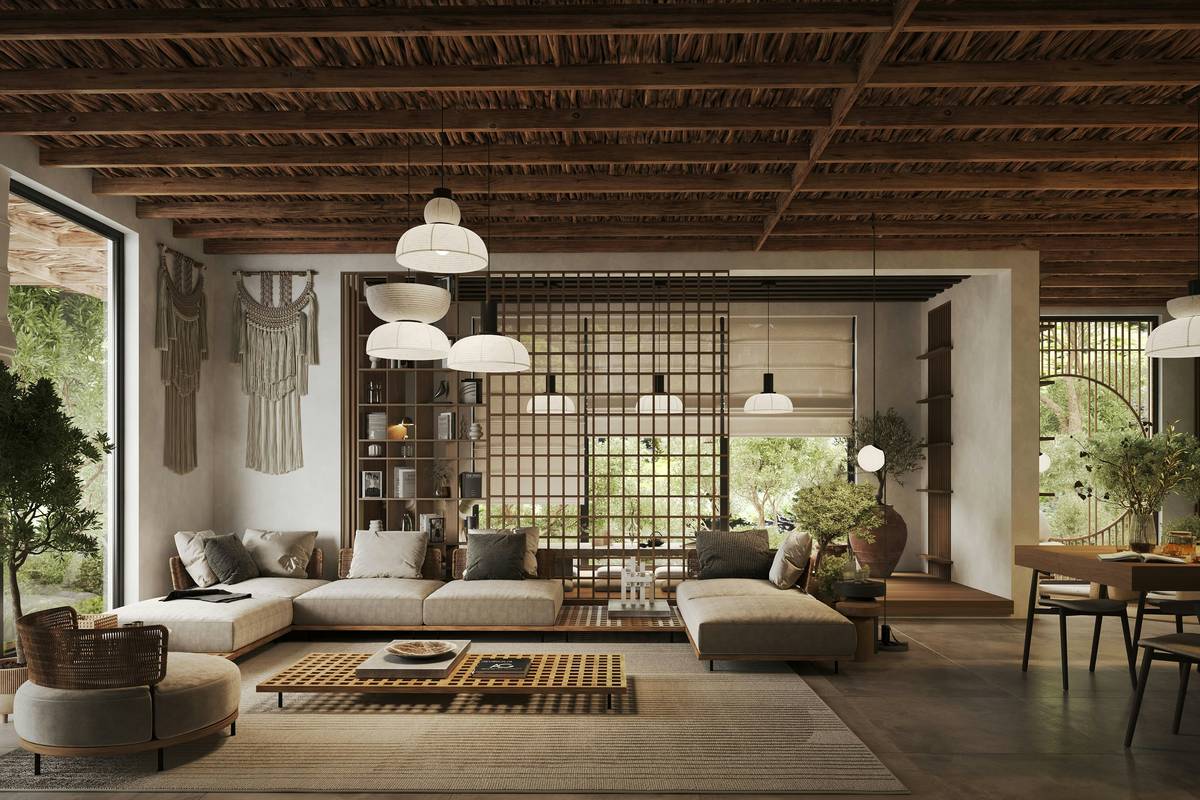
Real tropical design breathes. Open frames, slatted backs, and elevated bases aren’t just stylistic—they promote air circulation. Clutter kills the vibe. Always leave visual room to move.
Color Should Whisper, Not Shout
Think earth tones: ochre, moss green, seafoam, driftwood gray. Skip neon florals. If your sofa screams “vacation,” you’ve missed the point. Sophisticated tropical design leans into texture over color saturation.
| Material Type | Outdoor Durability | Indoor Aesthetic Value | Price Tier (USD) |
|---|---|---|---|
| Solid Teak | Excellent (10+ years) | High—develops silver patina | $$$$ |
| Mahogany | Very Good (7–10 years) | Rich, deep grain; timeless | $$$ |
| Rattan (Natural) | Poor (unless sealed) | Warm, organic—but fragile | $$ |
| Synthetic Wicker | Good (UV-resistant) | Modern—but can feel artificial | $$ |
The Industry Secret: Tropical Design Is About Restraint
Here’s what no showroom tells you: less is more. I once advised a client in Miami to rip out $15K worth of “tropical” decor—bamboo blinds, shell mirrors, leaf-print throw pillows—and replace it with just three pieces: a solid mahogany dining table, two teak sling chairs, and unglazed terracotta floor tiles. The result? Crisp, calm, and undeniably tropical—without a single cliché.
The math is simple: authenticity comes from material integrity, not decorative overload. Invest in one heirloom-grade piece instead of ten mass-produced props. Your space—and your sanity—will thank you.
Frequently Asked Questions
Is tropical furniture design suitable for cold climates?
Yes—if you prioritize indoor use and control humidity. Solid hardwoods like mahogany adapt well, but avoid placing them near radiators or drafty windows.
What’s the difference between rattan and wicker?
Rattan is a vine-like palm used as raw material. Wicker refers to the weaving technique—often applied to rattan, bamboo, or synthetic fibers.
Can tropical furniture be modern?
Absolutely. Clean lines, matte finishes, and minimalist silhouettes paired with tropical woods create a contemporary yet warm aesthetic—far from kitsch.