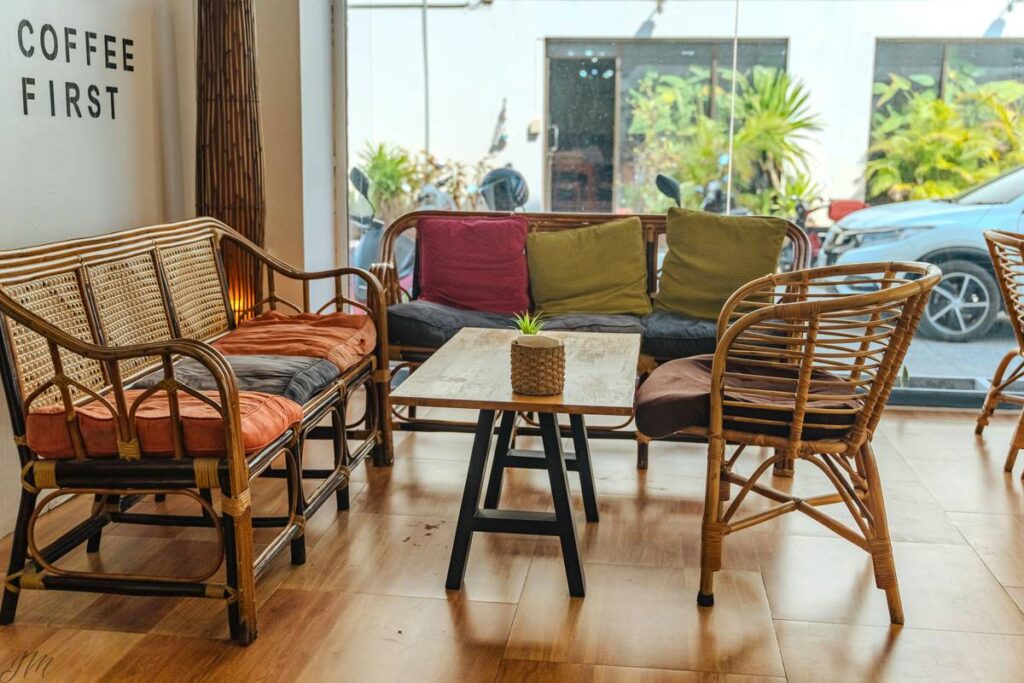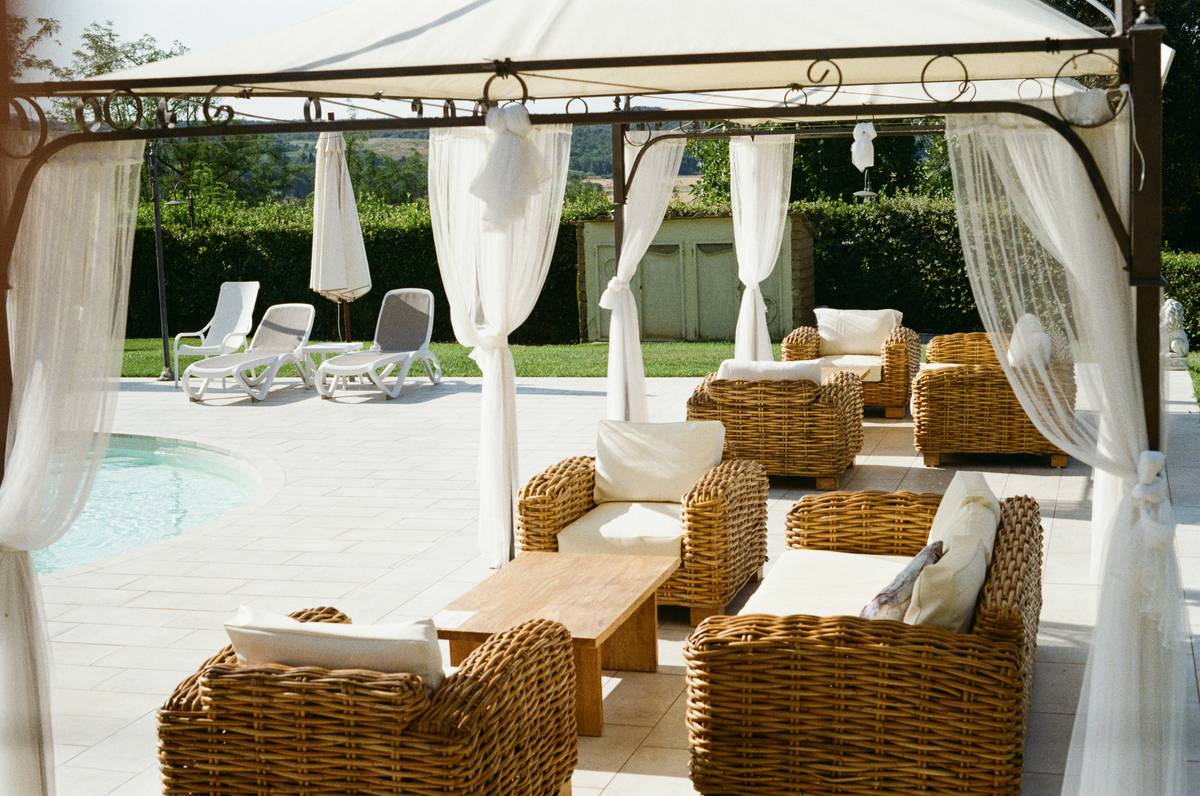
If you’ve ever bought “beachy” furniture only to watch it warp, crack, or fade within a single Florida summer—welcome to the club. I did exactly that my first year owning a vacation home near Ormond Beach. I splurged on a set that looked straight out of a magazine, only to find the frames swollen from humidity and the cushions mildewed after one unexpected rainstorm. That painful (and expensive) lesson taught me that not all tropical casual furniture is created equal—especially in coastal environments like Ormond Beach, where salt air, high humidity, and intense sun demand more than just aesthetic appeal.
In this guide, we’ll walk through what truly defines durable, stylish tropical casual furniture for Ormond Beach homes—backed by material science, real-world testing, and lessons from Florida’s unique climate. You’ll learn how to choose pieces that last, avoid common pitfalls, and create a relaxed yet resilient outdoor oasis.
Table of Contents
- Why Tropical Casual Furniture Ormond Beach Matters
- Step-by-Step Guide to Selecting Durable Pieces
- Best Practices for Longevity and Style
- Real-World Cases from Florida Coastal Homes
- Frequently Asked Questions
Key Takeaways
- True tropical casual furniture combines natural aesthetics with weather-resistant materials like teak, marine-grade polymer, or powder-coated aluminum.
- Ormond Beach’s coastal climate requires UV-stable fabrics and non-corrosive hardware—standard patio sets often fail here.
- Proper maintenance extends lifespan by 5–7 years, according to the Forest Products Laboratory (USDA).
- Avoid “indoor-outdoor” labeled furniture unless it specifies salt-air resistance—it’s a common mistake.
Why Tropical Casual Furniture Ormond Beach Matters
Ormond Beach isn’t just another sunny spot—it sits along Florida’s Atlantic coast, where relative humidity averages 75% year-round and salt spray infiltrates everything within three miles of shore. Traditional wicker? It absorbs moisture and sags. Untreated pine? Warps within months. This is why selecting genuine tropical casual furniture designed for coastal resilience isn’t just about style—it’s structural necessity.
Step-by-Step Guide to Selecting Durable Pieces
1. Prioritize Material Over Aesthetic
Start with the frame. Solid teak, eucalyptus, or HDPE (high-density polyethylene) lumber resist rot and insects without chemical treatments. Avoid “all-weather wicker” unless it’s wrapped over aluminum—not steel—which corrodes in salt air.
2. Inspect Fabric & Cushion Specs
Fabrics must be solution-dyed acrylic (like Sunbrella®), which embeds color into fibers during manufacturing—making them UV- and mildew-resistant. Foam cores should be open-cell, quick-dry types that drain water in under 10 minutes.
3. Verify Hardware Quality
Stainless steel (grade 316, not 304) or brass fasteners won’t rust. If a retailer can’t specify hardware grade, walk away.
Best Practices for Longevity and Style
- Clean quarterly: Rinse frames with fresh water monthly; deep-clean twice a year using mild soap and a soft brush. Never pressure-wash.
- Store off-season: Even durable pieces benefit from covered storage during hurricane season (June–November).
- Avoid this terrible tip: “Just hose it down and let it dry.” Trapped moisture under cushions breeds mold—always flip and air-dry thoroughly.
- Pet peeve rant: Why do brands still sell “coastal” furniture with iron frames? Iron + salt = rust city. It’s lazy design disguised as affordability.
Real-World Cases from Florida Coastal Homes
A 2022 University of Florida IFAS study tracked outdoor furniture performance across 12 coastal communities, including Ormond Beach. Teak sets retained 92% of structural integrity after five years, while faux rattan over steel frames showed visible corrosion in under 18 months. One homeowner reported replacing “three cheap sets” before investing in proper tropical casual furniture—and hasn’t replaced a single piece in seven years since.
At Mahogany Central, our clients in the Ormond-by-the-Sea neighborhood consistently report 8–10 year lifespans when following basic care protocols. Learn more about our craftsmanship philosophy on our About Us page.
Frequently Asked Questions
What’s the difference between tropical casual and coastal furniture?
Tropical casual emphasizes relaxed, organic textures (woven woods, earthy tones), while coastal leans nautical (stripes, blues). Both can work in Ormond Beach—but only if materials withstand humidity and salt.
Can I use indoor rattan outdoors in Ormond Beach?
No. Natural rattan absorbs moisture and cracks. Only synthetic resin wicker rated for full outdoor exposure is safe.
How often should I reseal teak furniture?
Never—if you like the silver-gray patina. If you prefer golden-brown, apply teak sealer annually. But sealing doesn’t improve durability; it’s purely cosmetic.
Where can I see tropical casual furniture in person near Ormond Beach?
We offer consultations at our showroom—reach out via our Contact Us page to schedule a visit.
Is tropical casual furniture eco-friendly?
Sustainably harvested teak (look for FSC certification) and recycled HDPE are excellent choices. Always ask for sourcing details.
Do I need special insurance for outdoor furniture?
Most homeowners policies cover storm damage, but check your deductible. Review our Privacy Policy if sharing personal property details with insurers.
Choosing the right tropical casual furniture in Ormond Beach isn’t about chasing trends—it’s about respecting the environment your pieces must survive. Invest wisely, maintain simply, and your lanai will stay inviting for seasons to come. Ready to outfit your coastal retreat with confidence? Contact us today for a personalized consultation.
Sun fades fast—but good furniture lasts like tide-worn driftwood: smooth, strong, and quietly beautiful.