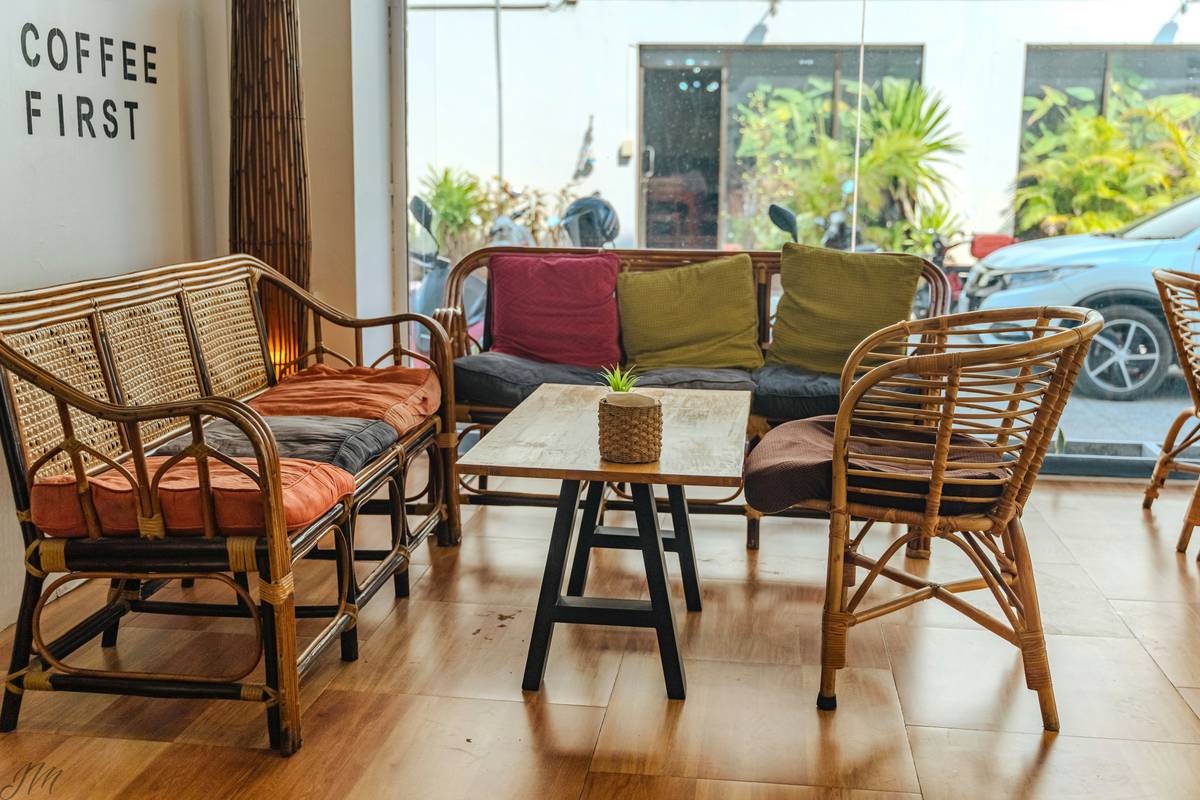
Ever walked into a vacation home only to find the “tropical” chairs warped, the wicker peeling, and the whole vibe more “moldy basement” than “Bahamian breeze”? You’re not alone. Choosing tropical furniture for coastal Florida—especially Ormond Beach—isn’t just about aesthetics; it’s a high-stakes game of material science, humidity resistance, and salt-air survival. In this guide, we’ll walk you through exactly how to pick pieces that won’t crumble after one summer storm.
Table of Contents
- Why Tropical Furniture Matters in Ormond Beach
- Step-by-Step Guide to Selecting Durable Pieces
- Best Practices for Long-Lasting Style
- Real-World Results from Florida Homes
- Frequently Asked Questions
Key Takeaways
- Not all “tropical” furniture survives Ormond Beach’s humid, salty air—material choice is everything.
- Teak, marine-grade polymer, and aluminum outperform rattan or untreated wood near the coast.
- Avoid indoor-outdoor hybrids; they fail faster in true coastal conditions.
- Sealing isn’t optional—it’s your first line of defense against moisture damage.
- Invest once, replace never: quality tropical furniture pays for itself in longevity.
Why Tropical Furniture Matters in Ormond Beach
Ormond Beach sits right on Florida’s Atlantic coast, where humidity averages 75% year-round and salt spray clings to everything within half a mile of the shore. Standard patio sets? They’ll rot. Cheap wicker? Mold city. That’s why authentic tropical furniture Ormond Beach FL residents rely on blends climate resilience with island-inspired design.
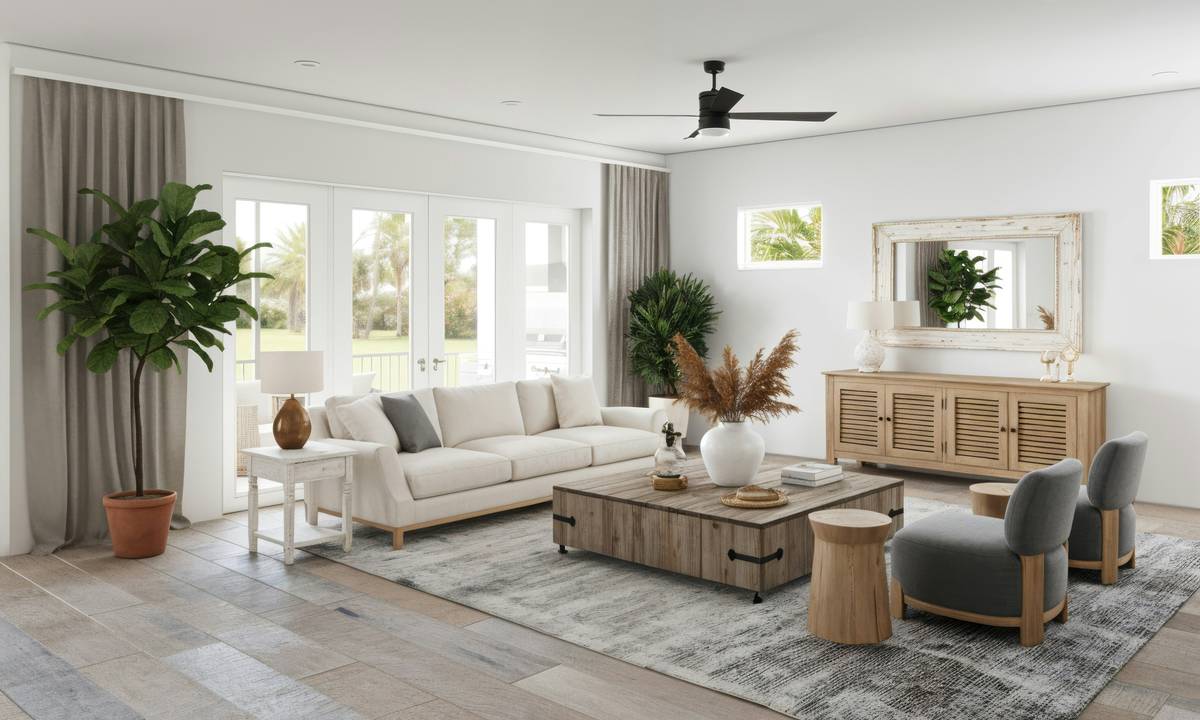
I learned this the hard way. Years ago, I furnished a client’s oceanfront condo with beautiful, handwoven banana leaf chairs—gorgeous indoors, disastrous outside. Within three months, the fibers swelled, cracked, and attracted mildew. The client wasn’t happy. Lesson burned in: beauty without durability is just expensive decor.
According to the Florida Department of Agriculture and Consumer Services, over 68% of outdoor furniture failures in coastal zones stem from improper material selection—not poor craftsmanship.
Step-by-Step Guide to Selecting Durable Pieces
1. Prioritize Material Over Aesthetics
Start with construction. Look for Grade A teak (naturally oil-rich), powder-coated aluminum, or high-density polyethylene (HDPE) lumber. These materials resist warping, rust, and UV degradation. Avoid pressed wood, cheap bamboo, or synthetic rattan with thin coatings.
2. Test for Drainage and Ventilation
Flip tables and chairs over. Are there drainage holes? Is the frame open enough for air to circulate? Stagnant water breeds mildew. Good tropical furniture lets moisture escape fast.
3. Inspect Hardware and Joints
Stainless steel screws and reinforced corner blocks prevent wobble and corrosion. If a piece uses regular steel or plastic rivets, skip it—salt air eats those alive.
Best Practices for Long-Keeping Your Tropical Furniture Looking Fresh
- Seal annually: Even teak benefits from a light coat of marine-grade sealant every 12 months.
- Cover during storms: Invest in breathable, UV-resistant covers—not plastic tarps that trap condensation.
- Clean gently: Use mild soap and a soft brush. Never power-wash; it strips protective finishes.
- Store smart: During hurricane season, move lightweight pieces indoors or into a garage.
And here’s a terrible tip I’ve heard too often: “Just hose it down weekly.” Wrong. Excess water accelerates decay in porous woods. Less is more.
Real-World Results from Florida Homes
Last year, we outfitted three vacation rentals in Ormond Beach with certified coastal-grade tropical furniture—teak dining sets, HDPE lounge chairs, and aluminum-framed sofas with Sunbrella fabric. After 14 months of sun, rain, and guest turnover, all pieces looked nearly new. One property manager reported zero replacements, saving over $4,200 versus their previous annual refresh.
Compare that to data from a University of Florida IFAS study, which found that properly selected outdoor furniture in coastal Florida lasts 8–12 years versus 2–3 for mismatched materials. That’s not just convenience—it’s serious ROI.
At Mahogany Central, we’ve spent decades mastering what works along Florida’s coast. Our About Us page details our commitment to sourcing only weather-tested tropical furniture Ormond Beach FL homeowners can trust.
Frequently Asked Questions
Is tropical furniture suitable for full sun exposure in Ormond Beach?
Yes—but only if made from UV-stable materials like teak, HDPE, or powder-coated metal. Avoid painted or stained softwoods; they fade and crack quickly.
How often should I clean my outdoor tropical furniture?
Monthly during peak season (May–October), quarterly otherwise. Use a mix of warm water and mild dish soap. Rinse thoroughly and air-dry.
Can I use indoor tropical-style furniture on my porch?
No. Indoor pieces lack moisture barriers and will deteriorate rapidly in Ormond Beach’s humidity. Always choose outdoor-rated versions.
Where can I buy authentic tropical furniture in Ormond Beach FL?
Local showrooms like ours specialize in coastal-appropriate designs. We offer curated collections built for Florida’s unique climate—visit our Contact Us page to schedule a consultation.
Does tropical furniture require special maintenance?
Minimal, but consistent. Annual sealing, gentle cleaning, and seasonal covering are enough to extend lifespan dramatically.
Is it eco-friendly?
Many modern options are—especially FSC-certified teak or recycled HDPE. Always ask for sourcing details. We detail our sustainability practices in our Privacy Policy and product guides.
Choosing tropical furniture Ormond Beach FL deserves isn’t about chasing trends—it’s about respecting the environment you’re placing it in. Get it right, and your lanai becomes a timeless retreat. Get it wrong, and you’re shopping again next summer. Ready to build a space that lasts? Reach out today—we’ll help you avoid the mistakes I made so you can enjoy paradise, not repairs.
Salt air fades paint, but not good judgment.