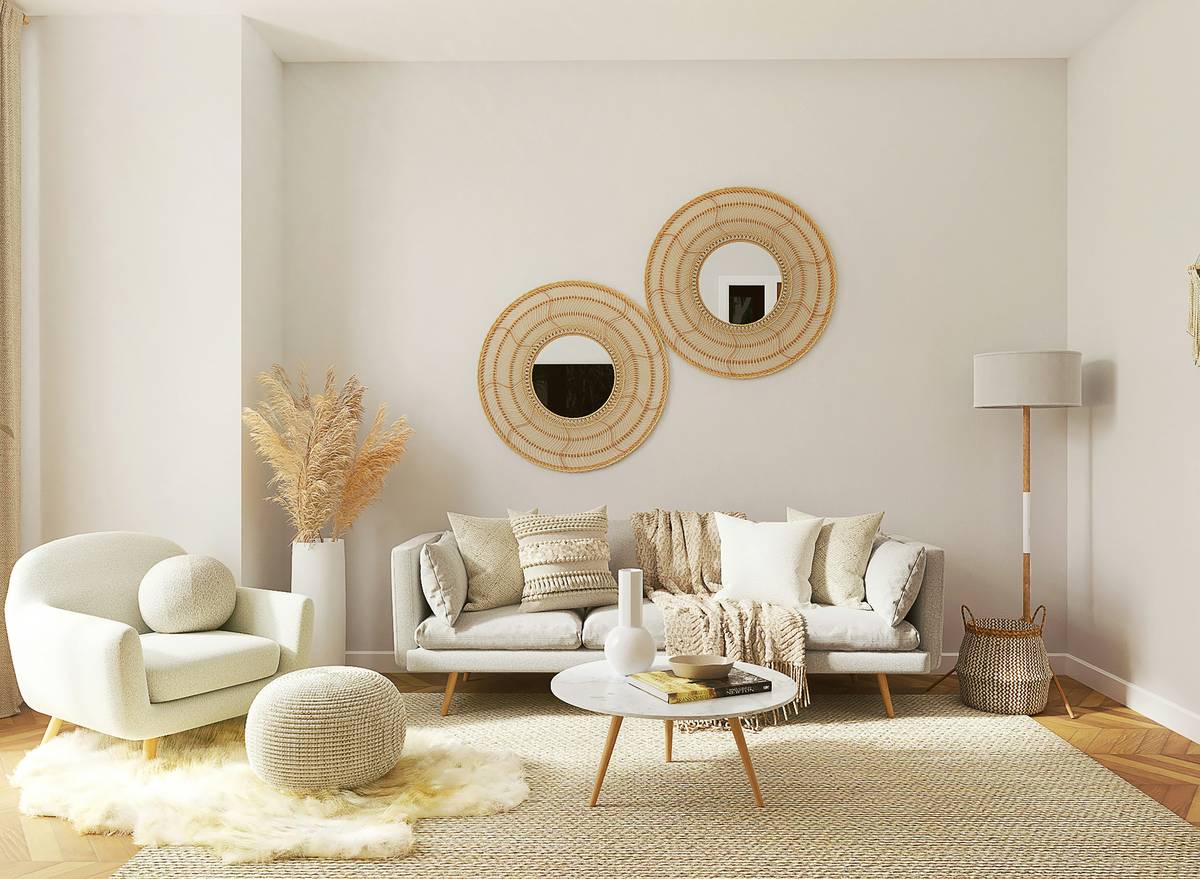
You love the idea of a breezy, sun-drenched retreat—but your current “tropical” furniture looks like it belongs in a 1990s resort gift shop. Fake bamboo, plastic rattan, and garish floral prints scream “costume,” not comfort. The problem? Most tropical style living room furniture prioritizes theme over livability. Here’s how to craft a space that feels authentically relaxed, not like a staged backdrop.
Why Most Tropical Furniture Fails Indoors
Outdoor durability ≠ indoor elegance. Teak and wicker built for monsoons often overwhelm climate-controlled rooms with heaviness or visual noise. And those “tropical” sets from big-box stores? They’re usually stained softwoods masquerading as exotic hardwoods—warped within a year. Worse, they lack proportion. A massive carved armoire might anchor a Balinese villa, but in a 400-square-foot apartment? It swallows the light.
Texture imbalance is another silent killer. Too much rough-hewn wood without smooth counterpoints creates sensory fatigue—not serenity.
Building a Tropical Living Room That Actually Works
Forget matching sets. The best tropical interiors feel collected over time, not ordered from a catalog. Start with structure, then layer soul.
Select Authentic Materials—But Lighten the Load
Mahogany, teak, and rosewood are classics for a reason: density, grain, longevity. But use them sparingly. A solid tropical style living room furniture credenza anchors the room; pair it with lighter elements like bleached oak side tables or linen upholstery.
Embrace Natural Weaves—Indoors
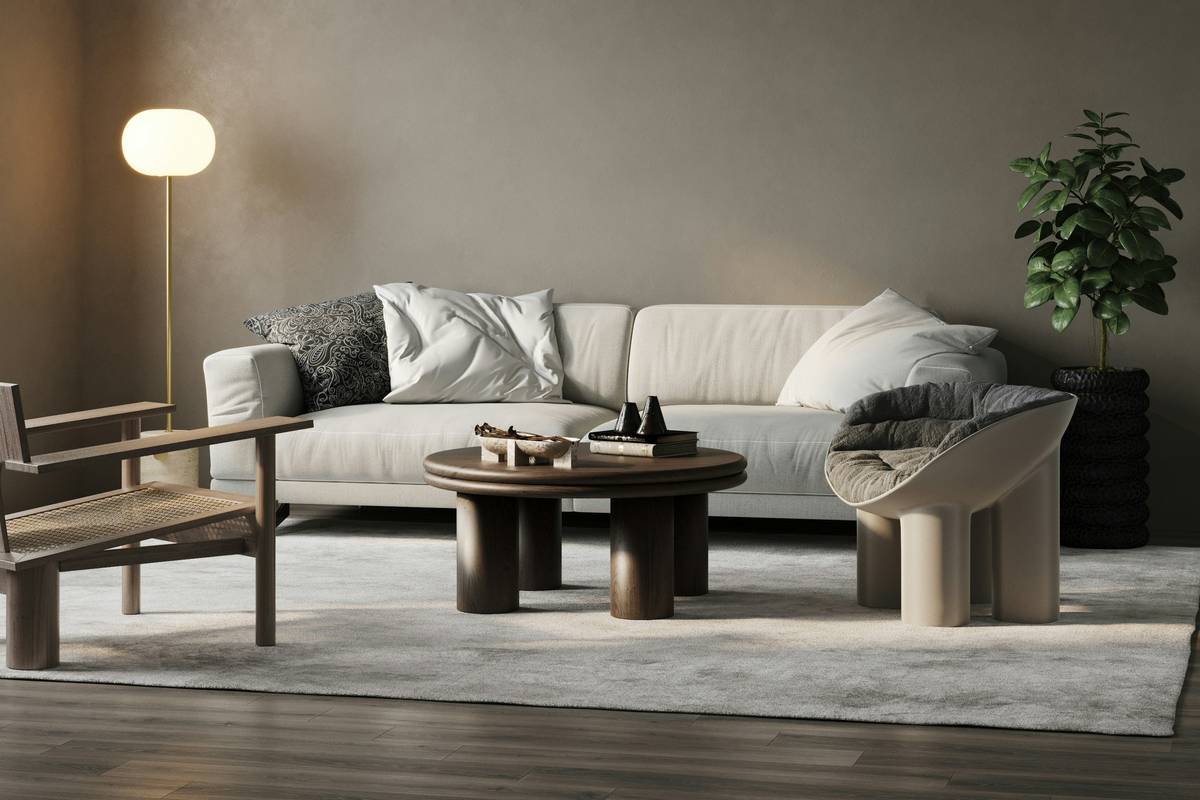
Not all wicker belongs on patios. Look for tightly woven rattan or seagrass frames finished for interior use. They add organic texture without the bulk. Pro tip: Choose frames with clean lines—avoid ornate scrollwork that reads “thematic.”
Color Palette: Less Is More
True tropical interiors lean on earth tones: warm whites, sea-glass greens, sand beige. Accent with one saturated hue—think papaya orange or deep ocean blue—but never more than 10% of the visual field. Your walls should whisper paradise, not shout luau.
| Furniture Type | Best Material for Indoor Tropical Style | Avoid At All Costs | Price Range (USD) |
|---|---|---|---|
| Sofa/Base Seating | Lightweight hardwood frame + linen/cotton slipcover | PVC “rattan” with polyester cushions | $800–$2,500 |
| Accent Chairs | Bent rattan with down-filled cushion | Molded resin “bamboo” chairs | $400–$1,200 |
| Storage/Consoles | Solid mahogany or reclaimed teak | Stained pine with fake grain veneer | $600–$3,000 |
| Coffee Tables | Live-edge wood on matte-black iron base | Glass top with palm-tree laser etching | $350–$1,800 |
The Industry Secret: Tropical Isn’t About Geography—It’s About Atmosphere
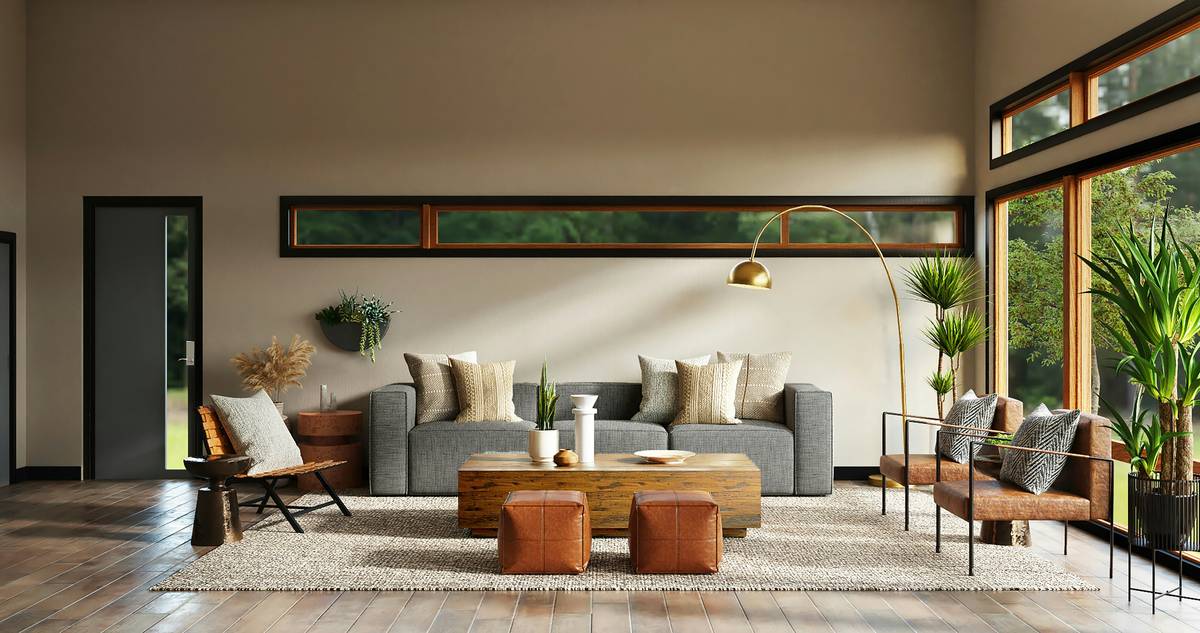
Here’s what no showroom tells you: You don’t need a single piece of Southeast Asian furniture to nail the look. The magic lies in airflow, light diffusion, and tactile contrast. I once consulted for a client in Toronto who achieved “tropical” using only North American ash wood, hand-thrown ceramic vases, and sheer roller shades that filtered afternoon sun into liquid gold. No palm fronds. No tiki torches. Just calm, open space with warm undertones.
The real tropical style living room furniture secret? It’s not the object—it’s how light plays across its surface at 4 p.m. in July. Prioritize form and finish over origin story.
Frequently Asked Questions
Can tropical furniture work in small apartments?
Absolutely—if you choose low-profile pieces with open frames. A slim rattan chair disappears visually; a solid carved cabinet does not.
Is teak too dark for a modern tropical look?
Not if you bleach or limewash it. Lightened teak retains grain depth but reflects more light—ideal for urban interiors.
How do I keep tropical wood furniture from drying out indoors?
Humidity is key. Use a room humidifier in winter, and condition wood twice yearly with beeswax-based polish—not silicone sprays.